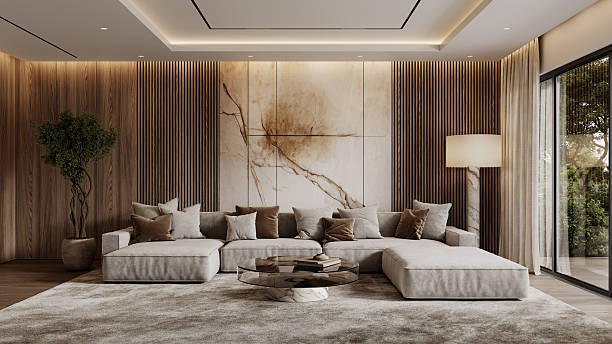
Interior design trends reflect something deeper than seasonal fashion cycles — they reflect evolving cultural values, changing domestic needs, new material possibilities, and shifting ideas about how we want to live. Understanding why a trend has emerged — not just what it looks like — gives homeowners the perspective to evaluate whether it genuinely suits their spaces and sensibilities, or whether it is better appreciated at a distance.
decorupdatehub.com provides this deeper trend coverage — going beyond surface reporting to help readers understand the design thinking behind current movements and decide how to incorporate relevant ideas into their own homes with genuine confidence.
Current Colour Stories in Interior Design
Colour is the most immediately accessible element of interior design — a tin of paint costs little, can be applied in a weekend, and transforms a room more completely than almost any other single change. The current colour direction in interior design reflects a broad movement away from the cool greys and whites that dominated the 2010s toward warmer, earthier, more saturated palettes.
Terracotta, sage green, warm ochre, dusty rose, and deep forest tones are all appearing prominently in design-forward interiors. These colours share a common character — they feel rooted in the natural world, they create warmth and intimacy, and they pair well with the natural material textures that are simultaneously trending in furniture and accessories. DecorUpdateHub explores these colour directions in depth, showing how to use them effectively and how to transition existing colour schemes toward new directions without wholesale redecoration.
Material and Texture Trends
Material trends in interior design have moved strongly toward the natural, the handcrafted, and the textured. Rattan and cane furniture — associated with mid-century coastal design — has experienced a sustained revival. Travertine stone in its various finishes is appearing on surfaces from kitchen islands to bathroom floors to coffee tables. Linen, boucle fabric, and other textured textiles are adding tactile richness to upholstered pieces and soft furnishings.
These material trends share a common theme: a desire for warmth, authenticity, and the slight imperfection that signals human craft rather than mechanical production. Interiors that incorporate natural, handmade, and textured elements feel lived-in and inviting in ways that sleeker, more manufactured aesthetics often struggle to achieve.
Furniture Silhouettes and Forms
Furniture design trends reflect the same movement toward warmth and organic form that characterizes current colour and material preferences. Curved forms — rounded sofas, arched headboards, oval dining tables — have displaced the rectilinear geometries that defined contemporary furniture design for much of the past decade. These curved silhouettes feel softer, more inviting, and more human than their angular predecessors.
Scale has also shifted, with a preference for generously proportioned, low-slung furniture that creates environments of comfort and relaxation rather than formal uprightness. Sectional sofas, oversized armchairs, and deep-seat configurations reflect an expectation that the home should be genuinely comfortable above all else.
Sustainable and Conscious Design
Sustainability is no longer a niche concern in interior design — it has become a mainstream consideration for a growing proportion of homeowners and designers. Vintage and antique furniture, sourced from resale markets and estate sales, offers both environmental credentials and the character and uniqueness that mass-produced new furniture rarely matches. Reclaimed materials — salvaged timber, recycled glass, repurposed architectural elements — bring genuine history into contemporary interiors.
New furniture and material choices are also being evaluated through sustainability lenses: FSC-certified timber, natural and low-VOC finishes, recycled content upholstery fabrics, and durable construction that prioritizes longevity over disposability. DecorUpdateHub explores sustainable design with genuine depth, helping readers understand how to make more conscious choices without sacrificing aesthetic quality.
Styling and Accessorizing: The Finishing Layer
The difference between a room that looks designed and one that merely looks furnished often comes down to styling — the careful selection and arrangement of accessories, art, plants, books, and objects that give a space personality and life. Styling is the most personal layer of interior design, the place where a room transitions from professionally designed to genuinely inhabited.
DecorUpdateHub covers styling with the attention it deserves — helping readers understand the principles of accessory curation, the art of the vignette, and how to use collected objects meaningfully rather than accumulating clutter. The goal is always a space that feels personal and alive, not just visually impressive from a distance.
Leave a Reply